

LPG
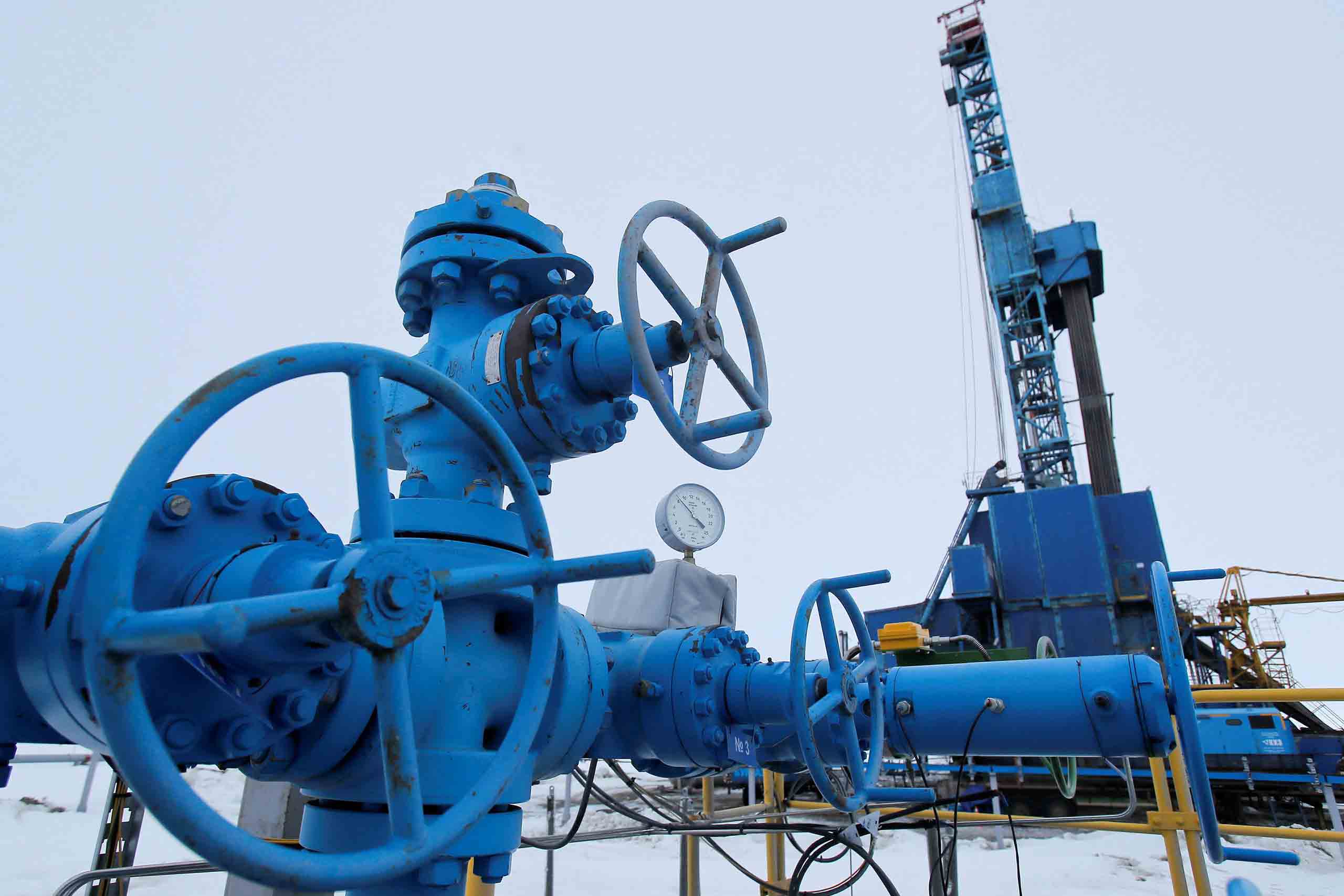
It is a colorless and volatile gas that is obtained through pressure, cooling and liquefaction of refined gas or natural gas (including gas from an oil field). Liquefied petroleum or LPG is a combination of two hydrocarbon gases, butane and propane. Is formed. It should be noted that in the structure of this liquid gas, amounts of propylene and butylene are used. The world consumption of LPG in 2008 was 230 million tons. In 2012, consumption reached 265 million tons.
As a general fuel, it has its obvious advantages:
- Comprehensive use of oil resources.
The equipment for its transmission and distribution system is simple. (Saving investment)
Easy to use and protect the environment: liquefied gas is almost free of any combustible components.
- After complete combustion, it is basically odorless and non-toxic, does not produce ash, is clean and hygienic, and protects the environment.
-Flexible supply: In order to facilitate storage and transportation, this method is usually under pressure or liquid cooling.
-Reducing the volume of liquefied gas to 1/250 to 1/300 of the original volume, it is under pressure inside the container, it is easy to transport and
Urban and rural customers can use it. Pipelines can be used to supply gas in areas where residents are concentrated and LPG tanks in areas where residents are scattered; So its distribution is very flexible.
High calorific value: the calorific value of liquid gas is three times that of natural gas and more than six times that of synthetic gas.
- Suitable for long distance transportation.

