

Methanol
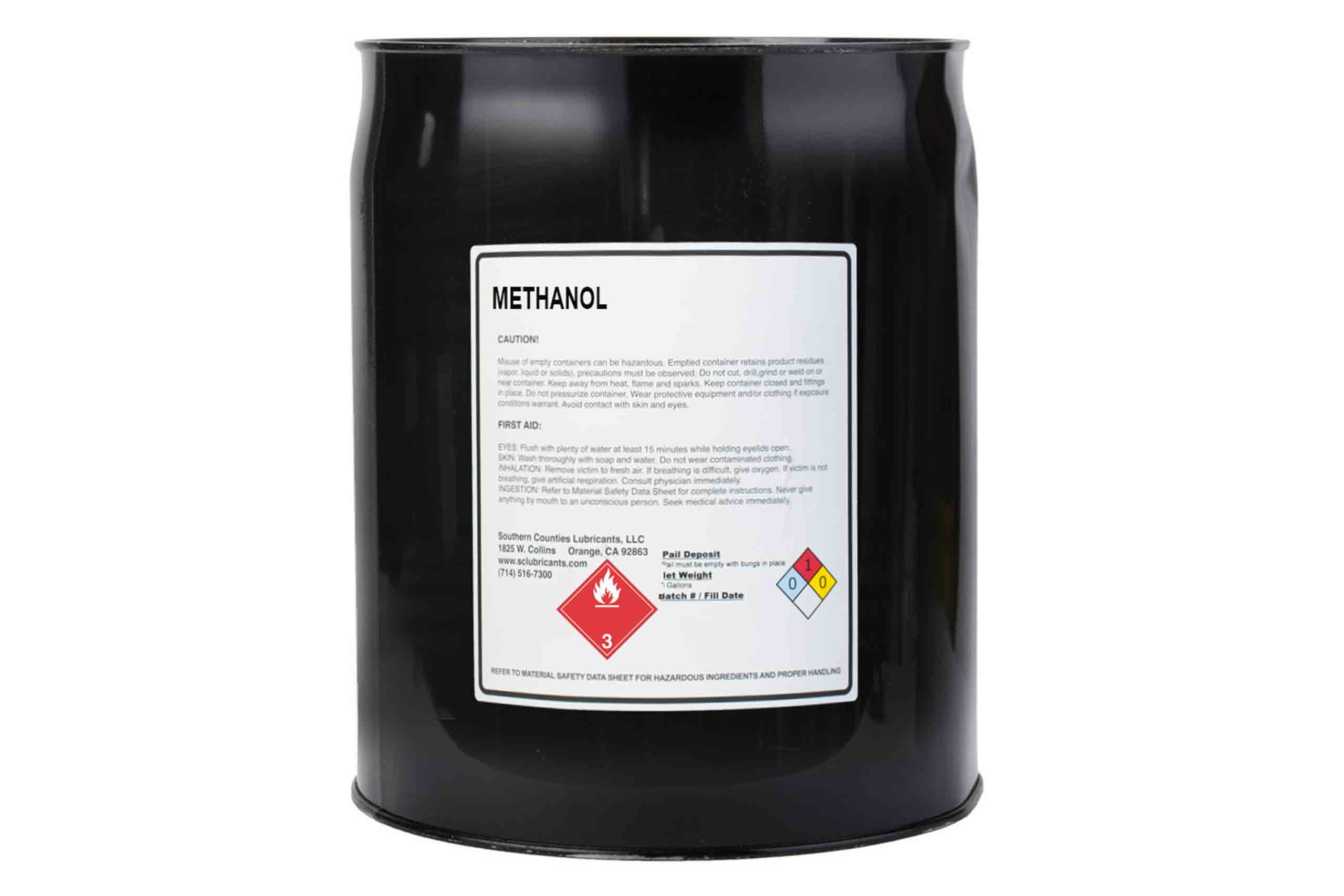
It is a type of non-consumable alcohol (also called wood alcohol, wood spirit, and methyl alcohol) that is mostly used to make fuel, solvent, and antifreeze. This compound is a colorless, volatile, flammable liquid, and unlike ethanol, it is toxic for human consumption. Methanol is also used to produce various other chemicals, including acetic acid.
The ancient Egyptians used a mixture of substances containing methanol in their embalming process. They obtained methanol by analyzing wood. Pyrolysis is the chemical decomposition of condensed organic matter by heating.
However, pure methanol was not isolated until 1661 by Robert Boyle, who produced the chemical by distilling boxwood. This chemical was later known as pyroxylic spirit. French chemists determined its main composition in 1834.The term "methyl" is derived from the word "methylene" which was coined in 1840. Then it was used to describe "methyl alcohol". The International Conference on Chemical Nomenclature shortened this to "methanol" in 1892. A patent was filed on January 12, 1926, when German chemists Alvin Mittsch and Matthias Pierre developed a device for converting syngas to methanol. In 2006, astronomers at the Joderal Bank Observatory using the Merlin radio telescope array discovered a large cloud of methanol in space that is 300 billion miles across. Methanol derivatives are used to make a large number of compounds, including many important dyes, resins, pharmaceuticals, and synthetic fragrances. Large amounts are converted to dimethylaniline for dyes and to formaldehyde for synthetic resins. Methanol is used on a limited basis to fuel internal combustion engines, primarily because it is not nearly as flammable as gasoline. Methanol is more difficult to ignite than gasoline and produces only one-eighth as much heat.
In some wastewater treatment plants, a small amount of methanol is added to the wastewater to provide a carbon food source for disinfecting bacteria, which convert nitrates to nitrogen to reduce from sensitive aquifer filters.
Methanol is used as a solvent, and as an antifreeze in pipelines and windshield washer fluid. In the early 1900s, methanol was used as an antifreeze for automobile cooling. Also, methanol is a denaturing agent in polyacrylamide gel electrophoresis.
When produced from wood or other organic materials, the resulting organic methanol (bioalcohol) has been proposed as a renewable alternative to petroleum-based hydrocarbons. By using suitable solvents and corrosion inhibitors, low levels of methanol can be used in existing vehicles. Fuel quality directives in Europe allow up to 3% methanol to be mixed with an equal amount of solvents in gasoline sold in Europe. Today, China uses more than one billion gallons of methanol per year as a transportation fuel in both low-level blends in existing vehicles and high-level blends in vehicles designed to use methanol fuels.
Direct methanol fuel cells are unique in their low temperature and atmospheric pressure performance, allowing them to shrink to an unprecedented size. This combination, with relatively easy and safe storage and handling of methanol, may enable fuel cell-equipped consumer electronics, such as laptop computers and cell phones.
Methanol is also widely used as a fuel in camping and boating stoves. Methanol burns well in pressurized burners. Alcohol stoves usually require a little more than a cup to hold fuel. This lack of complexity makes travelers spend most of their time in the desert.
Methanol is a common laboratory solvent. Due to its low UV cutoff, it is particularly useful for HPLC, high performance liquid chromatography and UV/VIS spectroscopy.
So far, the most common use of methanol is in the manufacture of other chemicals. Approximately 40% of methanol is converted to formaldehyde. Then it is used to make other products such as plastic, plywood, paint, explosives and permanent-press textiles.
Other chemical derivatives of methanol include dimethyl ether, which has replaced chlorofluorocarbons as an aerosol spray propellant, and acetic acid. Dimethyl ether or "DME" can also be mixed with liquefied petroleum gas (LPG) for home heating and cooking, and can be used as a transportation fuel to replace diesel.